Spatial Methodology v2.6

Engineering Structured Workspaces for Cognitive Focus.

Office clutter is a failure of physical systems architecture. We dissect raceway distribution, dimensional drawer partitioning, dual-axis document indexing, and vertical risers to turn arbitrary office clutter into precision work environments.

System Specifications
500+ Linear meters of raceway specifications evaluated
4-Tier Categorization model for active archival documents
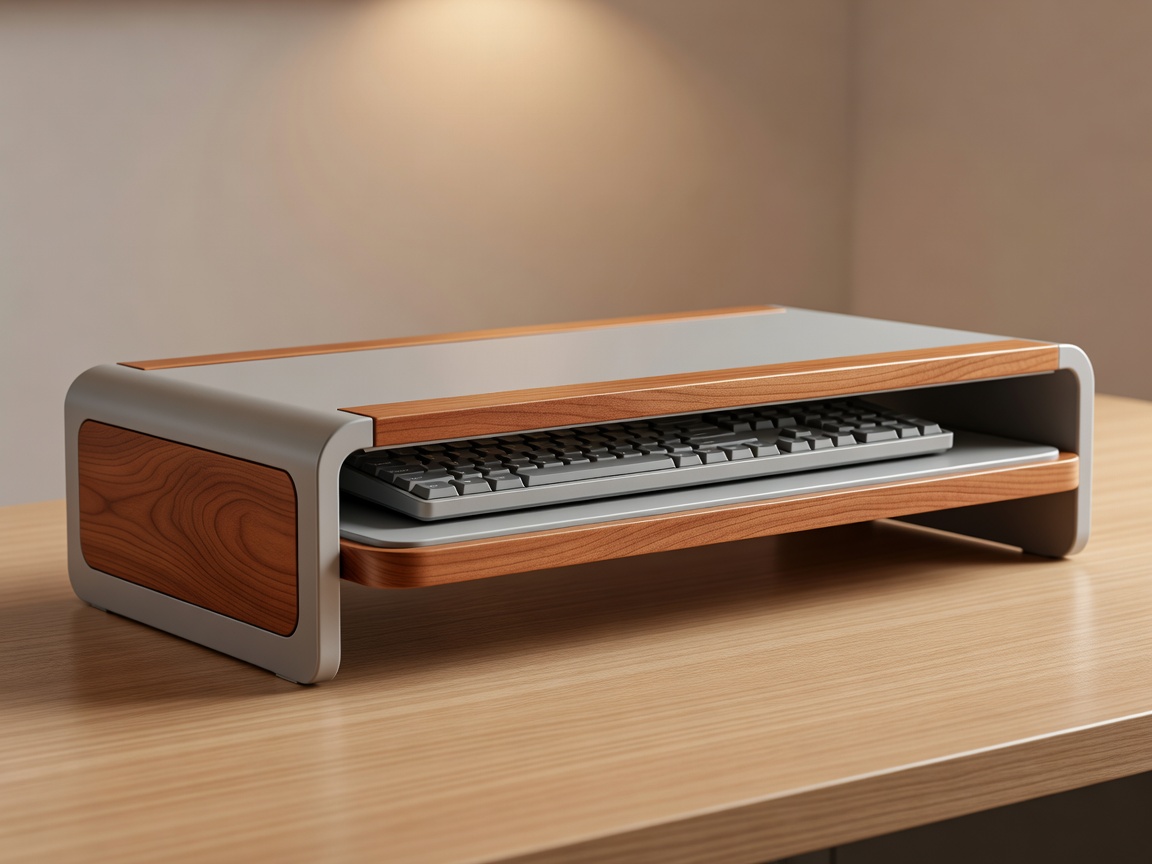
65% Estimated footprint reduction using vertical monitor risers
100% Adherence to standardized ISO 216 & ANSI paper sizing
Core System Blueprints

Field Guides to Office Organization

Theoretical Foundation

The Three Spatial Laws of Workspace Efficiency

01

The Law of Primary Reach

Items utilized more than five times daily must reside within the forearm radius (approx. 35–40 cm) without requiring shoulder flexion or torso leaning. Any secondary accessory occupying this real estate generates micro-distractions and postural strain.

02

Single-Touch Filing Discipline

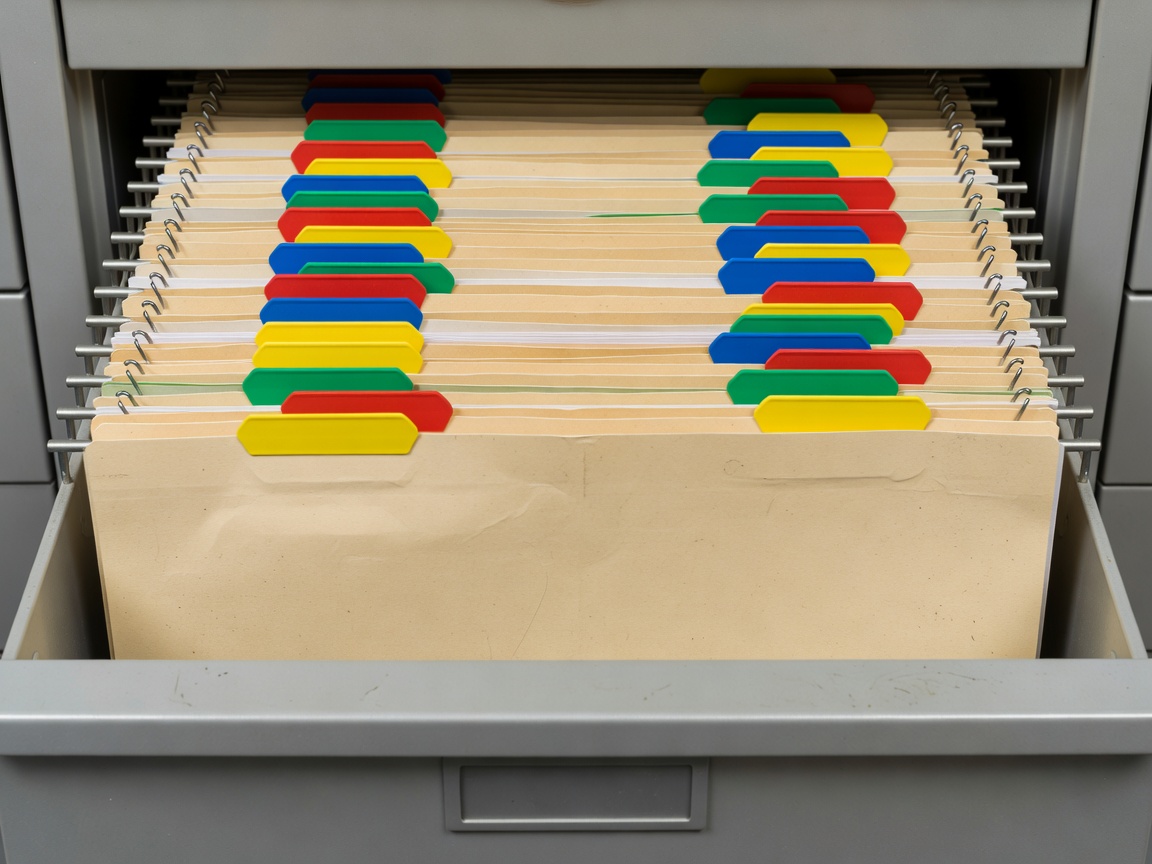
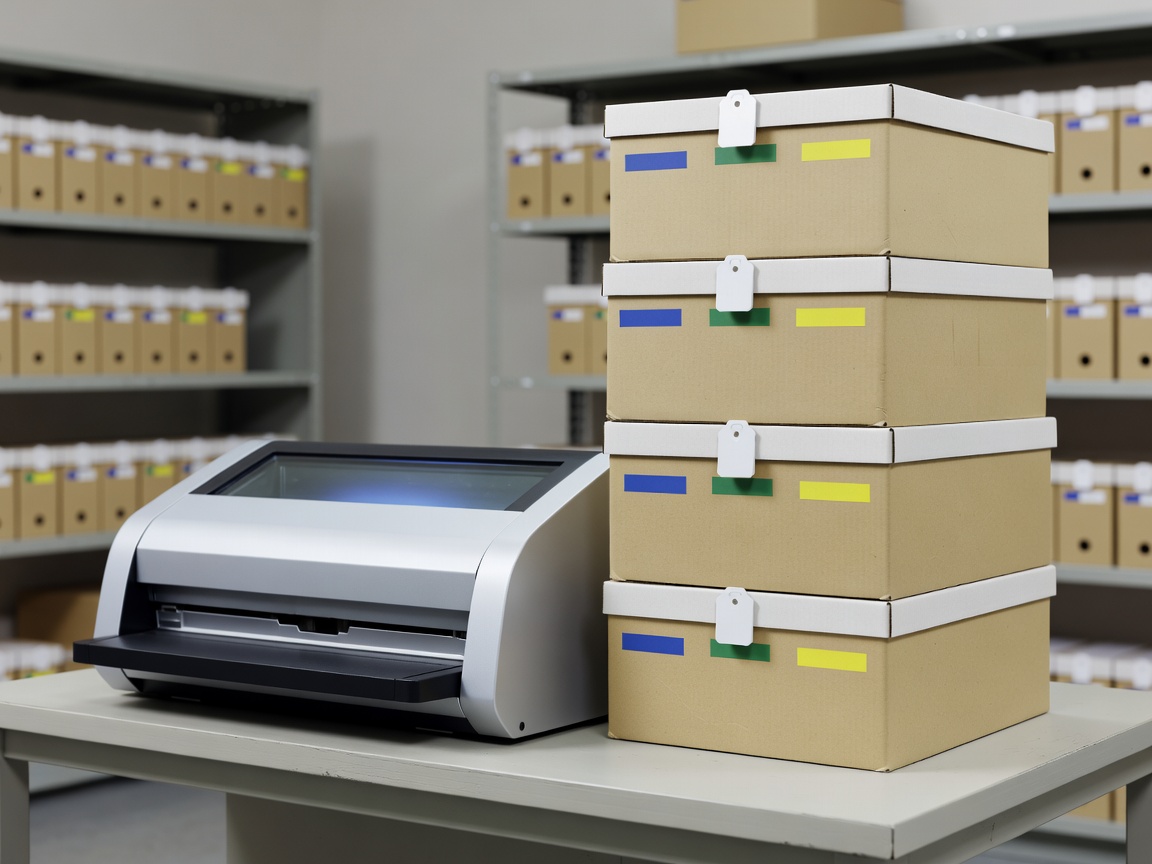
Loose physical collateral must never experience an intermediate "holding stack." Documents are either routed immediately into a suspension folder, scanned directly into an archival cloud index, or dropped into secure mechanical shredding.

03

Zero-Tension Wire Geometry

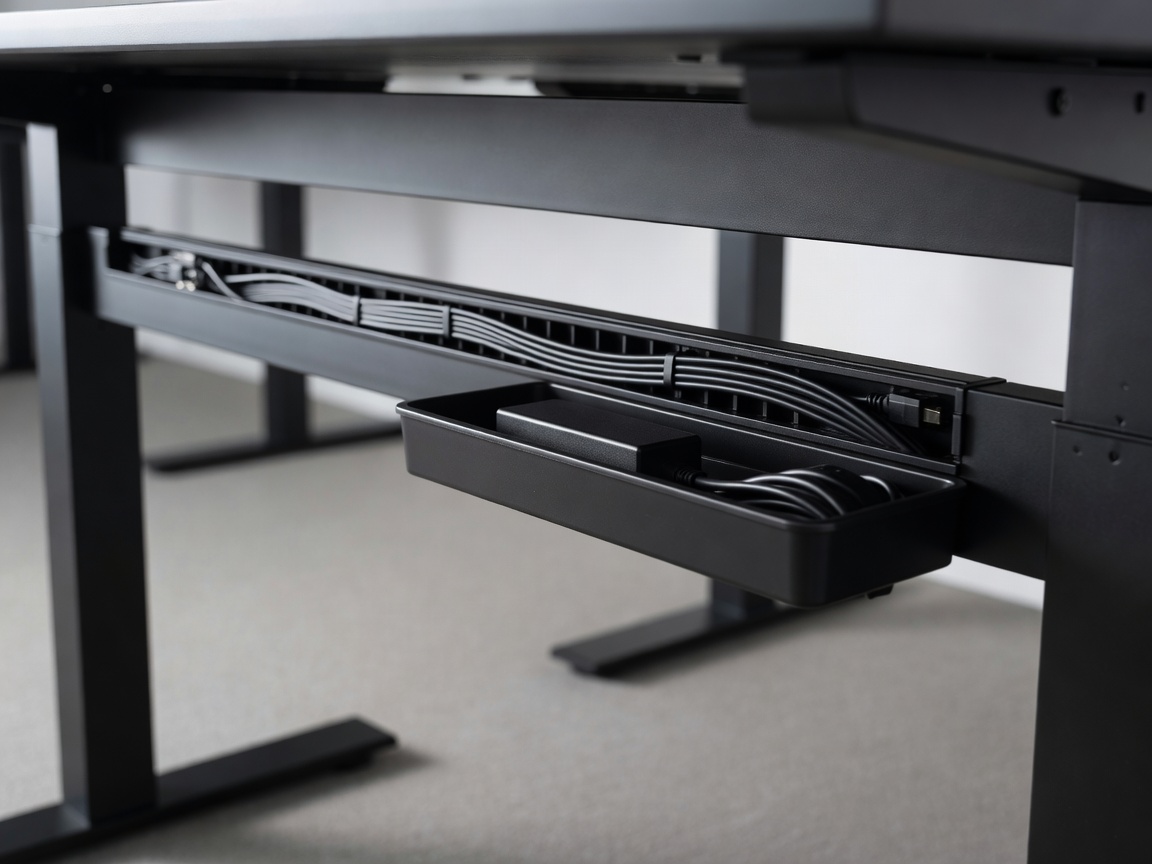
Cabling must follow parallel right-angle trajectories with designated slack loops at articulation hinges. Concealment without strain relief risks port fatigue, intermittent signal degradation, and severe electrical maintenance hazards.